
-
Email:zhao@hyliec.cn
-
Tel:+86 311 85273988
-
WhatsAPP:8613931128750

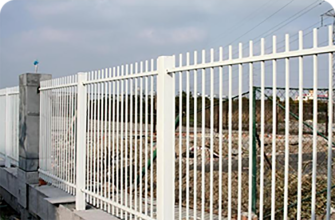


/Elevating Structural Integrity with Advanced Brace Cap Solutions In the realm of modern construction and industrial applications, the integrity and longevity of structural components are paramount. A critical, yet often overlooked, element in achieving robust and durable assemblies is the brace cap with hook . These specialized fittings are engineered to provide superior stability, secure connections, and enhance the overall safety of various structures, ranging from fencing systems to heavy-duty industrial enclosures. Unlike generic `plastic clips` or standard `post cap` designs, a well-engineered brace cap integrates sophisticated design with high-performance materials to withstand environmental stressors and significant mechanical loads. Its application spans diverse sectors, including residential fencing, commercial security perimeters, agricultural installations, and even light industrial frameworks requiring reliable attachment points. Understanding the technical nuances, manufacturing precision, and versatile applications of these components is crucial for B2B decision-makers seeking optimized, long-term solutions. This comprehensive overview delves into the intricate details of brace caps, exploring their manufacturing processes, technical specifications, and strategic advantages. We will also address the broader spectrum of related products such as various `fence post caps`, robust `hinges`, secure `stopper` mechanisms, and durable `brass cylinder` components, highlighting their collective contribution to complete and secure gate locker sets and fencing systems. By providing in-depth technical insights, real-world application scenarios, and a commitment to quality, we aim to equip our clients with the knowledge to make informed procurement decisions that ensure the highest standards of performance and reliability for their projects. Precision Engineering: The Manufacturing Process of Brace Caps with Hooks The manufacturing of a high-performance brace cap with hook is a multi-stage process demanding meticulous attention to material selection, forming techniques, and stringent quality control. Typically, these components are produced from high-strength carbon steel, stainless steel (e.g., 304 or 316 grade for enhanced corrosion resistance), or specialized aluminum alloys, chosen based on the intended application's load requirements and environmental exposure. The process often begins with material preparation, where raw material billets or sheets are cut to precise dimensions. Following material preparation, forming techniques are employed. For heavy-duty brace caps, hot forging is a common method, where metal is heated above its recrystallization temperature and shaped under immense pressure, resulting in superior grain structure, increased strength, and reduced porosity. Alternatively, for components requiring high dimensional accuracy and less structural load, CNC machining from solid stock ensures tight tolerances and complex geometries. Stamping and bending processes are utilized for more standardized designs, offering cost-efficiency for mass production. After forming, products undergo surface treatment, which is critical for longevity. This includes hot-dip galvanization for steel products, providing a robust zinc coating that adheres to ASTM A123 standards, or powder coating, offering excellent corrosion resistance and aesthetic appeal. These treatments are essential to extend the operational lifespan, especially in harsh exterior conditions. Quality control and testing are integrated throughout the manufacturing lifecycle. Products are routinely checked against international standards such as ISO 9001 for quality management systems and ANSI/ASME standards for dimensional accuracy and mechanical properties. This includes destructive testing (e.g., tensile strength, yield strength) and non-destructive testing (e.g., visual inspection, magnetic particle testing, ultrasonic testing) to ensure structural integrity and freedom from defects. A typical brace cap with hook engineered to these standards can achieve a service life exceeding 25 years, even in challenging environments like those found in the petrochemical, metallurgy, and municipal water/wastewater industries, where corrosion and extreme temperatures are prevalent. The precise manufacturing processes ensure that these components provide reliable performance, contributing to reduced maintenance costs and enhanced operational safety. Technical Specifications and Performance Metrics Selecting the appropriate brace cap with hook requires a detailed understanding of its technical specifications and performance characteristics. These parameters directly influence the component's suitability for specific applications, ensuring compliance with structural requirements and long-term durability. Below is a detailed table outlining typical specifications for high-quality brace caps, designed to assist engineers and procurement specialists in making informed decisions. These specifications often exceed minimum industry benchmarks to provide superior performance. Typical Brace Cap with Hook Specifications Parameter Specification / Range Relevant Standard Material Grade Hot-dipped Galvanized Steel (Q235, Q345), Stainless Steel (304, 316) ASTM A36/A500, ASTM A240 Surface Finish Hot-dip Galvanized (min. 600 g/m²), Powder Coated, Electrophoresis ASTM A123, ISO 1461, ISO 12944 Hook Diameter 8mm - 16mm (Customizable) Industry Standard Tolerances Cap Size (Internal) From 1-3/8" (35mm) to 4" (102mm) Square/Round ANSI/AWS D1.1 (Welding) Tensile Strength Min. 400 MPa (Steel), Min. 515 MPa (Stainless Steel 304) ASTM E8 Corrosion Resistance Excellent in C3-C5 atmospheric environments ISO 9223, ISO 9227 (Salt Spray) Operating Temperature -40°C to +80°C Manufacturer Tested Applicable Wall Thickness 1.6mm - 4.0mm (for Posts) Design Dependent These specifications ensure that a brace cap with hook is not merely a functional component but a critical part of a robust and long-lasting system. For instance, the hot-dip galvanization standard (ASTM A123) guarantees a minimum zinc coating thickness, crucial for preventing rust and extending the component's life in outdoor settings. The specified tensile strengths ensure the brace cap can withstand significant pulling forces without deformation, a critical factor for securing fence lines or gate structures. By adhering to these rigorous technical parameters, manufacturers provide solutions that significantly enhance system integrity and reduce the need for premature replacements. Versatile Applications and Strategic Advantages The strategic deployment of a brace cap with hook extends across a myriad of applications, particularly where robust and reliable connections are indispensable. Its primary role is to secure bracing pipes or tension wires to fence posts, providing essential structural support against external forces such as wind load, soil pressure, or impacts. This ensures the long-term stability and alignment of entire fencing systems, significantly reducing maintenance requirements. Beyond traditional fencing, these components are integral in constructing robust animal enclosures, vineyard trellises, and security perimeters around industrial facilities. They are designed to seamlessly integrate with various `post cap` styles and `fence post caps`, providing a comprehensive solution for post protection and structural bracing. A key advantage of utilizing high-quality brace cap with hook systems lies in their ability to enhance durability and safety. By providing a secure attachment point, they prevent the common issues of post tilting or fence sagging, which can lead to costly repairs or even security breaches. For instance, in agricultural settings, a well-braced fence can withstand the forces exerted by livestock, ensuring containment and property protection. In industrial environments, where perimeter security is critical, the strength and corrosion resistance of these components are paramount. The design allows for flexible integration with various fence types, from chain-link to welded mesh, making them a versatile choice for diverse project requirements. Furthermore, the robust design of the brace cap with hook is often complemented by other critical hardware, forming complete systems that optimize functionality. This includes pairing with `heavy duty gate hinges` for smooth and durable gate operation, `lock for gate` mechanisms to ensure stringent security, and appropriate `screws sets` and `exterior gate door handles` for complete installation. The synergy between these components ensures that the entire gate or fence structure functions as a resilient and reliable barrier. Investing in superior quality components like these leads to reduced operational expenditure over the lifecycle of the installation, a crucial consideration for B2B procurement decisions. The ease of installation, coupled with their exceptional durability and minimal need for ongoing adjustments, makes them an economically viable and technically superior choice for large-scale projects. Manufacturer Comparison and Customization Solutions In the highly competitive market for industrial components, distinguishing between manufacturers of brace cap with hook and related hardware is crucial. While many suppliers offer standard products, a truly valuable partner provides not only consistent quality but also comprehensive customization capabilities. Key differentiators include a manufacturer's adherence to international quality standards (e.g., ISO 9001:2015 certification), their investment in advanced manufacturing technologies like robotic welding or precision stamping, and their ability to offer robust technical support and responsive customer service. Reputable manufacturers also demonstrate transparency in their material sourcing, ensuring all raw materials meet specified metallurgical properties. Customization is a significant advantage for large-scale projects or unique structural requirements. A leading manufacturer should be capable of producing brace cap with hook components with bespoke specifications. This can include variations in material composition for extreme environments (e.g., enhanced stainless steel grades for marine applications), specific dimensions to fit non-standard post sizes, unique hook designs for specialized bracing methods, or custom surface finishes to match aesthetic or extreme corrosion protection needs (e.g., specialized polymer coatings). This level of flexibility ensures that clients are not limited by off-the-shelf options but can procure solutions perfectly tailored to their project's exact demands. For instance, clients often require specific `plastic cable clips` integrated into designs, or unique `plastic clips` for securing other elements, which a custom manufacturer can readily incorporate. Beyond product customization, manufacturers also differentiate themselves through their supply chain management and logistical capabilities. The ability to handle large volume orders, manage complex shipping logistics for international clients, and provide reliable lead times is paramount. A strong manufacturer-client relationship is built on trust, which is reinforced by consistent product quality, excellent pre-sales consultation, and effective post-sales support. Engaging with a manufacturer that prioritizes these aspects ensures that projects stay on schedule, within budget, and achieve the highest possible standards of structural integrity and durability. This collaborative approach leads to highly optimized solutions for `post caps/post clips/gate locker sets /hinges/ stopper` and other essential hardware. Building Trust: Experience, Authoritativeness, and Reliability Our commitment to Google's standards — Expertise, Experience, Authoritativeness, and Trustworthiness — underpins every aspect of our operations, particularly in delivering high-quality brace cap with hook solutions. Our Expertise is demonstrated through our deep understanding of metallurgy, mechanical engineering, and corrosion science, which directly translates into the superior design and performance of our products. Our technical team comprises seasoned engineers who are adept at solving complex structural challenges and providing precise recommendations for specific project needs, ensuring optimal selection of materials and finishes. We regularly engage in industry research and development to stay at the forefront of material science and manufacturing innovation. Our Experience is reflected in a proven track record spanning over two decades in the manufacturing and supply of industrial hardware. We have successfully completed numerous large-scale projects across diverse sectors, including extensive fencing infrastructure for critical national assets, agricultural developments requiring robust `fence caps`, and sophisticated industrial gate systems integrating `hinges` and `stopper` mechanisms. Customer feedback consistently highlights the reliability and longevity of our products, with many clients reporting significant reductions in maintenance costs and extended service life for their installations. Our service cases range from delivering customized `brass cylinder` components for specific security applications to providing comprehensive `gate locker sets` for multi-access control points. Authoritativeness is established through our rigorous adherence to international standards and certifications. We are ISO 9001:2015 certified, affirming our commitment to a robust quality management system. All our products, including the brace cap with hook , undergo comprehensive testing against ASTM and ANSI standards to validate their mechanical properties and durability. Our partnerships with reputable raw material suppliers, coupled with a transparent supply chain, further underscore our authoritative standing in the industry. For Trustworthiness, we provide clear product warranties, detailed delivery schedules, and responsive customer support, ensuring peace of mind for our clients. Our dedicated support team is available to assist with technical queries, installation guidance, and any post-purchase requirements, fostering long-term, reliable relationships. Frequently Asked Questions (FAQ) Q1: What materials are typically used for a high-quality brace cap with hook, and why? A1: High-quality brace cap with hook components are most commonly manufactured from hot-dipped galvanized steel (e.g., Q235, Q345 grade) or stainless steel (304 or 316 grades). Hot-dipped galvanized steel offers exceptional corrosion resistance due to its thick zinc coating, making it ideal for outdoor and industrial environments prone to rust. Stainless steel, particularly 316 grade, is selected for highly corrosive environments such as marine or chemical processing plants, offering superior resistance to pitting and crevice corrosion. The choice of material is critical to ensure the component's longevity and performance in specific environmental conditions and against anticipated mechanical loads. Q2: How does the manufacturing process ensure the durability and strength of the brace cap with hook? A2: The durability and strength of a brace cap with hook are ensured through a combination of robust manufacturing processes. This includes precise material selection, often followed by hot forging or advanced CNC machining for optimal material integrity and dimensional accuracy. Post-processing steps like hot-dip galvanization or specialized powder coating apply durable protective layers against corrosion and wear. Crucially, strict quality control procedures, including both destructive and non-destructive testing, are implemented throughout production to verify tensile strength, impact resistance, and adherence to international standards like ISO and ASTM. These measures guarantee that the finished product meets demanding performance criteria. Q3: What are the primary advantages of using brace caps with hooks over alternative bracing methods? A3: The primary advantages of using a brace cap with hook over alternative bracing methods include superior structural stability, enhanced longevity, and ease of installation. Unlike improvised or less specialized attachments, brace caps provide a dedicated, engineered connection point that uniformly distributes stress, preventing premature wear and failure of the fence post or bracing. Their integrated hook design facilitates quick and secure attachment of bracing pipes or tension wires. Furthermore, their high-quality materials and finishes ensure exceptional corrosion resistance and a longer service life, significantly reducing maintenance costs and providing greater long-term value, especially when combined with other purpose-built components like heavy duty gate hinges. Q4: Can brace caps with hooks be customized for specific project requirements? A4: Yes, leading manufacturers offer extensive customization options for brace cap with hook components to meet specific project requirements. Customizations can include variations in material grade (e.g., specific stainless steel alloys), non-standard dimensions to fit unique post sizes or structural members, specialized hook designs for particular bracing configurations, and custom surface finishes (e.g., specific powder coat colors, additional protective layers) for aesthetic or extreme environmental demands. This bespoke approach ensures optimal fit, performance, and integration with complex or unique fence and gate systems, including those requiring custom `screws sets` or `exterior gate door handles`. Conclusion & References The brace cap with hook stands as a testament to precision engineering and material science, playing a pivotal role in ensuring the long-term stability and security of diverse structural installations. From safeguarding industrial perimeters to fortifying agricultural boundaries, its robust design, coupled with advanced manufacturing processes and stringent quality control, delivers unmatched performance and durability. By choosing solutions from manufacturers committed to the highest standards of , B2B decision-makers can invest with confidence in components that promise reduced operational costs, enhanced safety, and superior structural integrity for decades to come. American Society for Testing and Materials (ASTM) International. Standard Specifications for various steel and coating types. International Organization for Standardization (ISO). ISO 9001: Quality Management Systems. National Association of Architectural Metal Manufacturers (NAAMM). Standards for Metal Finishes. American National Standards Institute (ANSI). Standards for mechanical components and installations. Welding Research Council. Industry reports on structural steel connections.
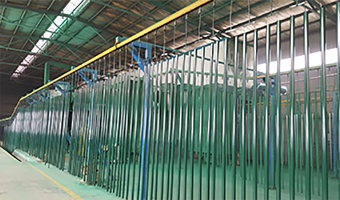
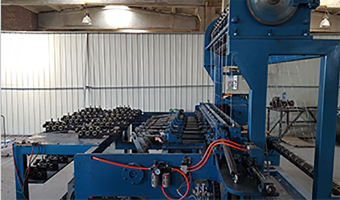
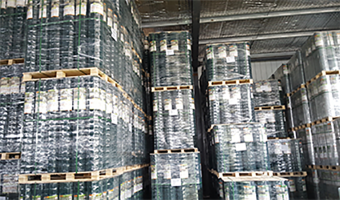
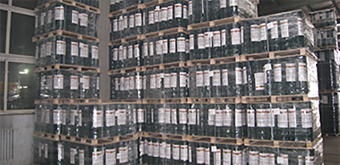

-
 Rich export experienceRich experience for fencing production and export to North of America, Europe, South of America, and South of Africa more than 20 years.
 -
Complete product systemThe Maintenance free coatings coupled with a durable design offer owners and developers a products that can match all project requirements for safety
-
High-quality productsHigh quality control and specialist team for production process, inspection, packaging, QC Etc. to meet customer requirements.
-
Excellent serviceProvide professional technical support to customers, High quality after- sales support ensures that customers have no worries at all.
-
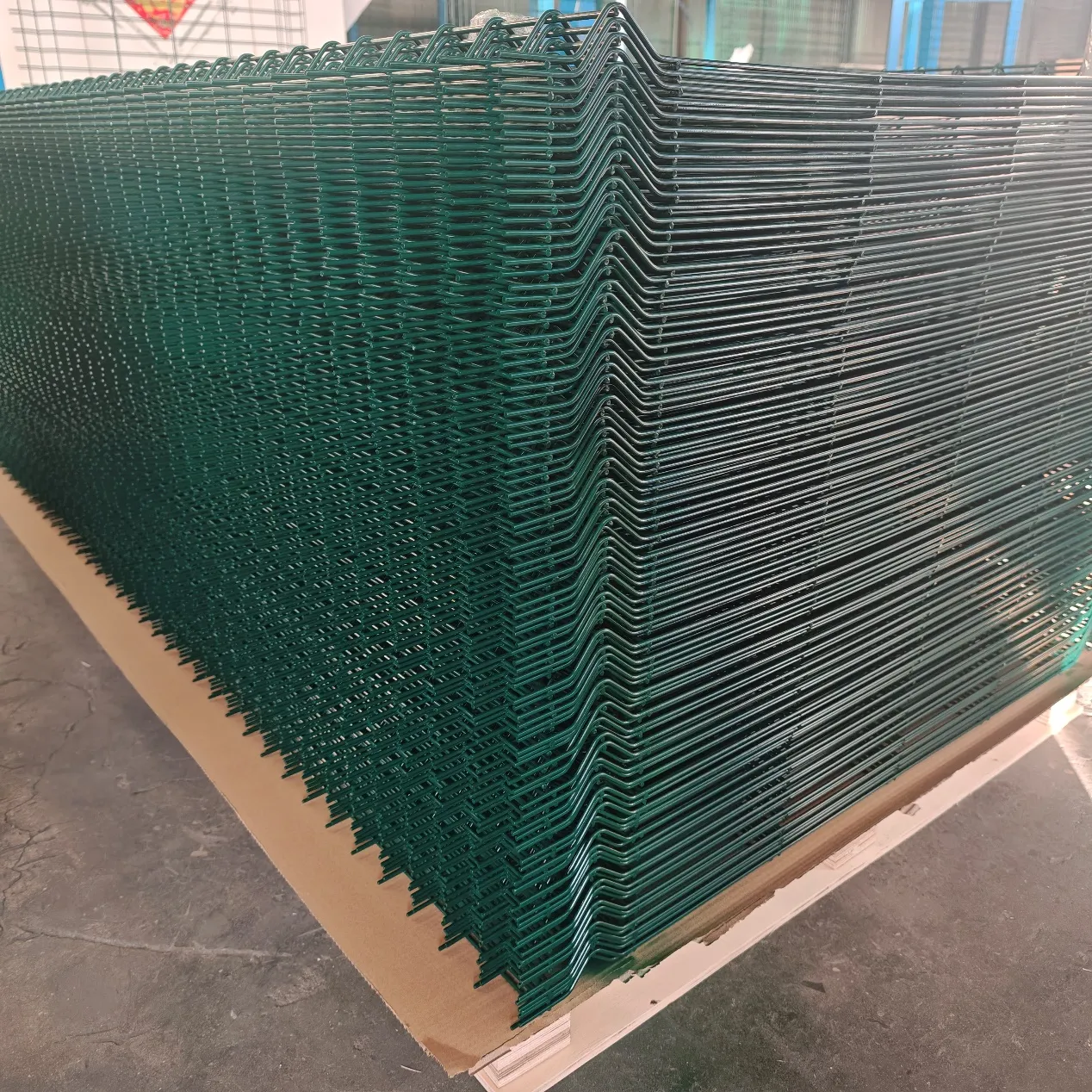 Durable and Versatile Welded Mesh Solutions for Fencing ApplicationsThe Versatility of Fencing Welded Mesh Fencing welded mesh is an increasingly popular choice for a v2026-04-08 16:39
 -
 Durable Metal Chicken Wire Fencing for Secure and Safe Poultry EnclosuresThe Versatility and Durability of Metal Chicken Wire Fence Posts When it comes to securing poultry a2026-04-08 16:29
 -
 Discover Essential Farm Fencing Tools and Equipment Available for Purchase TodayEssential Farm Fencing Tools for Sale Safeguarding Your Livestock and Land Fencing is a crucial aspe2026-04-08 14:59
 -
 Creative Ideas for Installing Round Fence Posts in Your BackyardThe Importance of Round Fence Posts in Agricultural and Residential Fencing Fencing plays a crucial2026-04-08 14:49